In Laramie, an active lifestyle is part of the culture. Between long winters, high altitude, college athletics, ranch and outdoor work, and youth and club sports, many people here train hard and expect a lot of themselves. Drive and discipline can be real strengths. But for some people, the pressure to perform slowly turns into pressure around food, weight, and body image.
If that sounds familiar, you are not alone, and you don't have to figure it out by yourself.
Athletes and highly driven people often share traits that help them succeed: perfectionism, self-discipline, high standards, and a strong tolerance for discomfort. Those same traits can also make someone more vulnerable to disordered eating. When performance is tied to self-worth, food can start to feel like something to control, earn, or fix.
Sport environments can add to this. Comments about weight or appearance, weigh-ins, aesthetic pressure, comparisons to teammates, and the belief that "lighter is faster" can all feed unhelpful rules about eating. Athletes are sometimes praised for behaviors that are actually warning signs, which makes it harder to reach out.
You don't need to be in a crisis to ask for help. Consider reaching out if you notice:
Relative Energy Deficiency in Sport (REDs) happens when the body does not get enough fuel to support both training and normal daily functioning. It is not always intentional, and it can show up in athletes who are not "trying" to restrict. It can affect energy, mood, recovery, bone health, hormones, and performance. If you suspect under-fueling, it is important to work with a qualified professional team rather than trying to fix it on your own.
Mental performance work focuses on the skills that help you show up as your best: managing pressure, building confidence, handling setbacks, and reducing perfectionism and fear of failure. In sport psychology sessions, you might work on focus, self-talk, anxiety before competition, motivation, and your relationship with your sport.
For many clients, this is not only about performing better. It is about enjoying training again and feeling like more than your results.
At Healing Stones Therapy, eating disorder treatment is grounded in CBT-E (Enhanced Cognitive Behavioral Therapy), an evidence-based approach for eating disorders and disordered eating. CBT-E is individualized. Together we look at what is keeping the eating problem going for you, including beliefs about weight, shape, and self-worth, and build practical steps toward regular, flexible eating and a healthier relationship with your body.
Treatment is collaborative, non-judgmental, and weight-inclusive. When helpful, care can be coordinated with your doctor, current therapist, or a registered dietitian so everyone is on the same page.
Healing Stones Therapy is based in Laramie, Wyoming, and offers telehealth so you can get support from home, whether you live in town, out on a ranch, or travel for competition. Our practice also serves clients in Utah, Nevada, Montana, Colorado, and Oklahoma.
Asking for help is not a sign that you are weak or failing at your sport. It is a way to protect your health, your performance, and your enjoyment of the things you love.
Ready to talk? Schedule a consultation with Healing Stones Therapy or call [phone number].
If you or someone you know is in immediate danger, call or text 988 or call 911.
Negative thoughts, self-doubt, anxiety spirals, and inner criticism are part of the human experience—but many people feel overwhelmed by them, as if every thought demands attention or action. At Healing Stones Therapy, serving Nevada, Utah, Wyoming, and Oklahoma, we help clients step off the mental rollercoaster through Acceptance and Commitment Therapy (ACT), an evidence-based treatment that teaches us how to accept our internal experiences while living a life rooted in personal values.
Whether you are navigating sports anxiety, sports performance challenges, eating disorders or disordered eating, or generalized anxiety, ACT offers a powerful, compassionate approach to living with greater freedom and intention.
Acceptance and Commitment Therapy is a mindfulness-based behavioral therapy that focuses on:
Instead of trying to eliminate unpleasant thoughts or feelings (which often causes more suffering), ACT teaches people how to change their relationship to these experiences.
You learn to say, “This thought is here—but I don’t have to follow it.”
One of the central teachings of ACT is this:
Human brains create thousands of thoughts every day—many of which are negative, repetitive, unrealistic, or rooted in old learning. Trying to control or eliminate thoughts actually increases their intensity.
ACT helps clients understand that:
This shift—called cognitive defusion—is one of the most liberating parts of ACT.
Athletes often struggle with:
Traditional approaches try to “fix” or suppress anxiety, but ACT helps athletes:
ACT helps athletes stay psychologically flexible—allowing them to perform with clarity, presence, and confidence.
Eating disorders often involve:
ACT offers a non-judgmental approach that helps clients:
Paired with somatic awareness and trauma-informed care, ACT is a powerful tool for shifting long-standing patterns.
Anxiety often comes from trying to control the uncontrollable—thoughts, sensations, outcomes, or other people’s perceptions.
ACT helps clients:
When clients stop battling anxiety and instead work with their internal experience, anxiety loses its power.
At the heart of ACT is the idea of living by values, not by fear or self-judgment.
Values are not goals—they are ongoing directions.
Examples include:
When you clarify your values, you gain:
Values help clients move toward the life they want, even when difficult thoughts or emotions show up.
ACT teaches that suffering is not a personal flaw—it is a shared human experience. Psychological flexibility means:
This flexibility becomes a pathway to freedom, authenticity, and emotional resilience.
Healing Stones Therapy supports clients across Nevada, Utah, Wyoming, and Oklahoma with:
Our therapists don’t strive for perfection—we strive for presence, compassion, and connection. ACT helps us walk alongside you as you build a life that reflects who you truly want to be.
If you’re seeking support with anxiety, performance issues, trauma, or eating-related concerns, ACT offers a grounded, evidence-based path toward clarity and freedom. Give us a call and get started today!
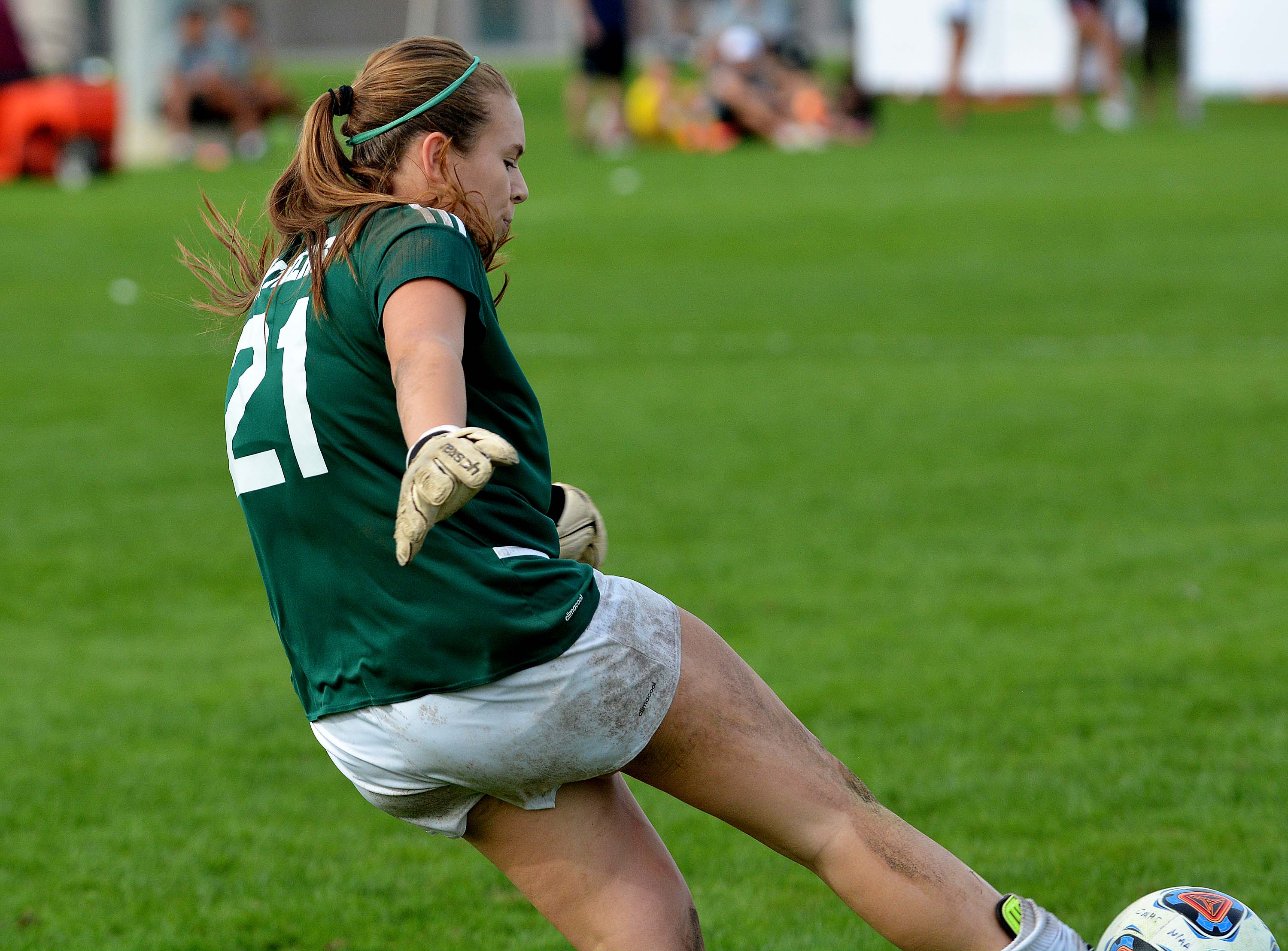
Every athlete knows that success in sports isn’t just physical—it’s mental. Whether you’re competing in collegiate athletics, professional leagues, or extreme sports, your mindset can determine your performance. Sports psychology focuses on helping athletes build confidence, manage anxiety, recover from setbacks, and maintain focus under pressure.
At Healing Stones Therapy, we specialize in empowering athletes to master both the mental and emotional aspects of performance. Our integrative approach combines evidence-based therapies like REBT (Rational Emotive Behavior Therapy) with holistic methods, giving you the tools to stay mentally sharp and emotionally resilient.
Developed by psychologist Albert Ellis, REBT teaches that our thoughts—not events—shape our emotions and behaviors. Using the ABC Model, we can break this down:
By learning to identify and challenge irrational beliefs, athletes can replace negative thought patterns with empowering ones. At Healing Stones Therapy, we help athletes transform self-defeating beliefs into productive self-talk, promoting resilience and consistent performance.
Visualization, also known as mental imagery, is one of the most powerful tools in sports psychology. Research shows that the brain activates similar neural pathways during visualization as it does during physical performance.
Through guided imagery and mindfulness-based techniques, we teach athletes to:
When paired with REBT, visualization becomes even more potent, reinforcing rational, confident thinking while building a stronger emotional foundation for competition.
At Healing Stones Therapy, we go beyond traditional performance coaching. We integrate energy-balancing practicesand therapeutic support to help athletes feel grounded, focused, and emotionally balanced.
Our sessions may include techniques such as:
This holistic approach allows athletes to recover faster, manage stress, and maintain peak focus, not just in sports but in life. Whether you’re navigating the pressures of collegiate competition or pushing limits in extreme sports, our methods can help you achieve mental balance and sustained performance.
We proudly support athletes from all backgrounds, from collegiate and professional teams to individual extreme sports competitors. No matter your sport or skill level, our mission is to help you harness your inner strength, overcome mental barriers, and perform at your best both on and off the field.
Your next level begins with your mindset.
Discover how Healing Stones Therapy can help you combine sports psychology, REBT, and holistic healing to reach your full potential.
Contact us to learn more or schedule your first session today.
Competing in team sports requires a balance of skill, strategy, and mental resilience. For many athletes, the pressure to perform well—both individually and as part of a team—can lead to sports performance anxiety. This anxiety often manifests as pre-game nervousness, fear of failure, or mental blocks that interfere with performance.
Understanding what is within an athlete’s control and what isn’t can help reduce stress and build confidence. Healing Stones Therapy specializes in helping athletes navigate these challenges through a combination of sports psychology techniques and nutritional support. With the right strategies, athletes can develop mental toughness, improve focus, and perform at their best.

Athletes often experience anxiety when focusing on factors outside of their control. Variables such as the opposing team’s skill level, referee decisions, or unexpected weather conditions can create unnecessary stress. Redirecting teammates abilities, environmental factors such as gym, lights, weather attention toward controllable elements allows athletes to focus on what truly impacts their game.
Controllable factors include:
Shifting focus to these areas fosters confidence and resilience. Healing Stones Therapy works with athletes to build mental clarity and emotional control, allowing them to perform with confidence regardless of external conditions.
Sports psychology provides a range of tools to help athletes manage anxiety, stay focused, and overcome mental barriers. By integrating these techniques into daily training, athletes can improve both performance and overall mental well-being.
Mentally rehearsing success helps prepare the mind for game-day challenges. Visualization techniques involve picturing key plays, successful movements, and positive outcomes. This method strengthens mental resilience, reducing anxiety before and during competition.
Athletes often struggle with overthinking past mistakes or future outcomes. Practicing mindfulness brings attention back to the present moment, helping athletes remain engaged and in control. Techniques like deep breathing, body awareness, and progressive muscle relaxation create a calm, focused state of mind.
Negative thoughts can sabotage performance. Cognitive restructuring helps athletes reframe self-doubt into positive affirmations. Instead of thinking, "I might let my team down," an athlete can shift to, "I am prepared and capable of performing well."
Healing Stones Therapy incorporates these methods into personalized sports psychology programs, helping athletes develop confidence and emotional control in high-pressure situations.
Physical performance and mental resilience go hand in hand. Nutrition plays a vital role in maintaining energy, concentration, and recovery—all of which impact an athlete’s ability to manage anxiety and perform under pressure.
An athlete’s diet should provide consistent energy levels to avoid crashes that affect focus and endurance. Key nutritional elements include:
Even mild dehydration can cause fatigue, irritability, and lack of focus. Proper hydration supports mental clarity and physical stamina, reducing stress and preventing mid-game sluggishness. Healing Stones Therapy provides individualized nutritional guidance to help athletes optimize their diet for peak performance.
Every athlete’s journey is unique. Sports performance anxiety affects individuals differently, which is why personalized support is key to overcoming mental barriers. Healing Stones Therapy offers customized sports psychology coaching and nutritional counseling, ensuring that athletes receive strategies tailored to their specific needs.
Mental blocks can prevent athletes from executing their skills, causing hesitation and uncertainty. Addressing these issues through sports counseling can help athletes rebuild confidence and regain control over their performance.
Consistency in training, mental preparation, and nutrition helps athletes develop long-term resilience. Healing Stones Therapy guides athletes in creating daily routines that integrate:
By combining these elements, athletes can establish a foundation for success in both individual and team settings.
Managing sports performance anxiety requires the right support system. Healing Stones Therapy offers expert sports psychology and nutrition services to help athletes gain control over their mental game, improve focus, and perform with confidence.
Healing Stones Therapy is committed to helping athletes overcome performance anxiety and unlock their full potential. Whether dealing with pre-game nerves, mental blocks, or confidence issues, the right strategies can transform the way athletes approach competition.